-
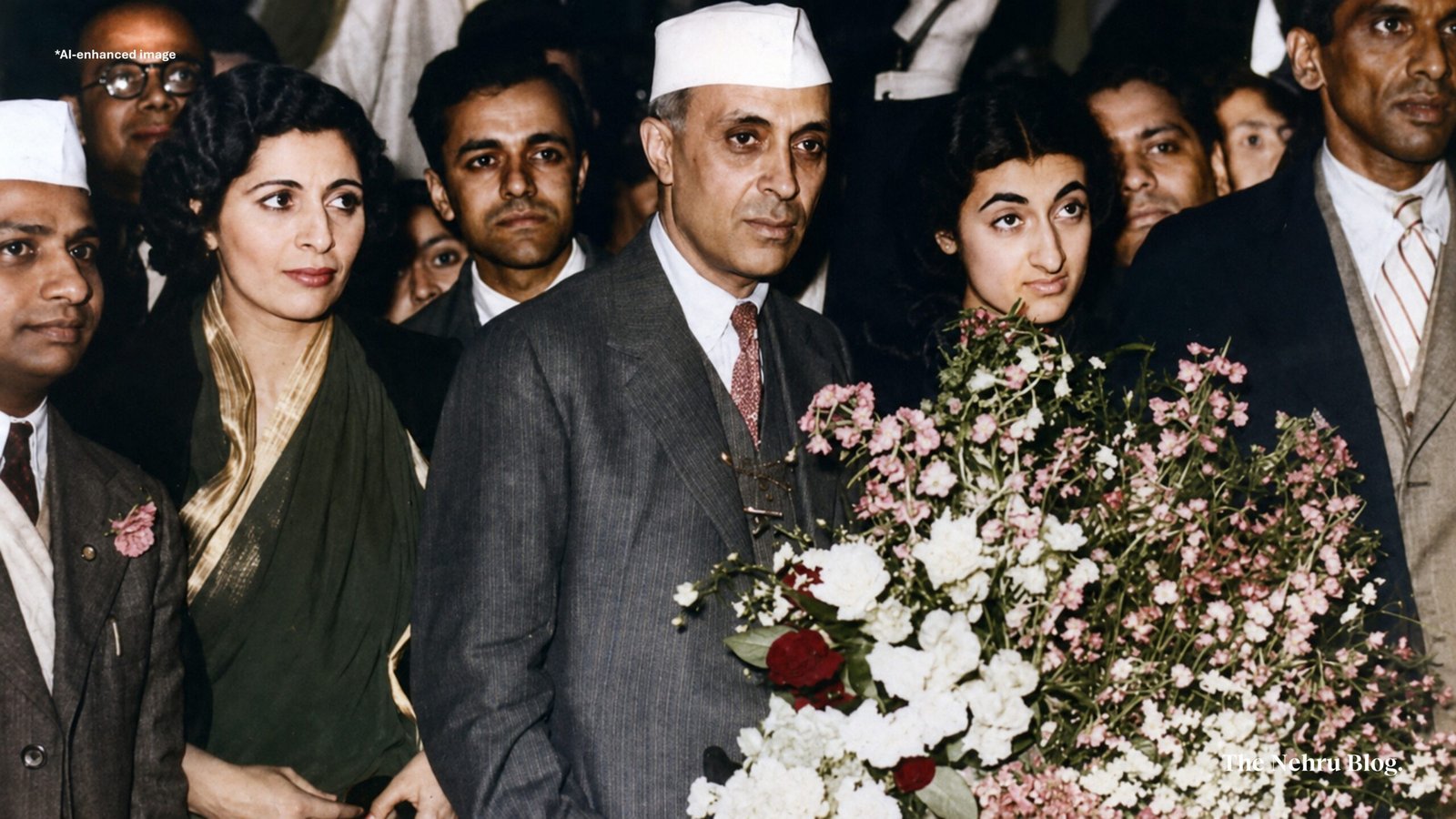
राम की तरह असंभवों के समन्वय थे नेहरु: वाजपेयी
कहा जाता है कि लोकसभा में अटल बिहारी वाजपेयी की भाषणशैली से प्रभावित होकर जवाहरलाल नेहरू ने उन्हें भविष्य का प्रधानमंत्री कहा था (हालांकि, इस दावे की हिमायत में साक्ष्यों का अभाव है।)। वाजपेयी भी उनकी काफ़ी इज़्ज़त करते थे। नेहरू के निधन के बाद उन्होंने 29 मई 1964 को राज्यसभा में जो श्रद्धांजलि दी…
-
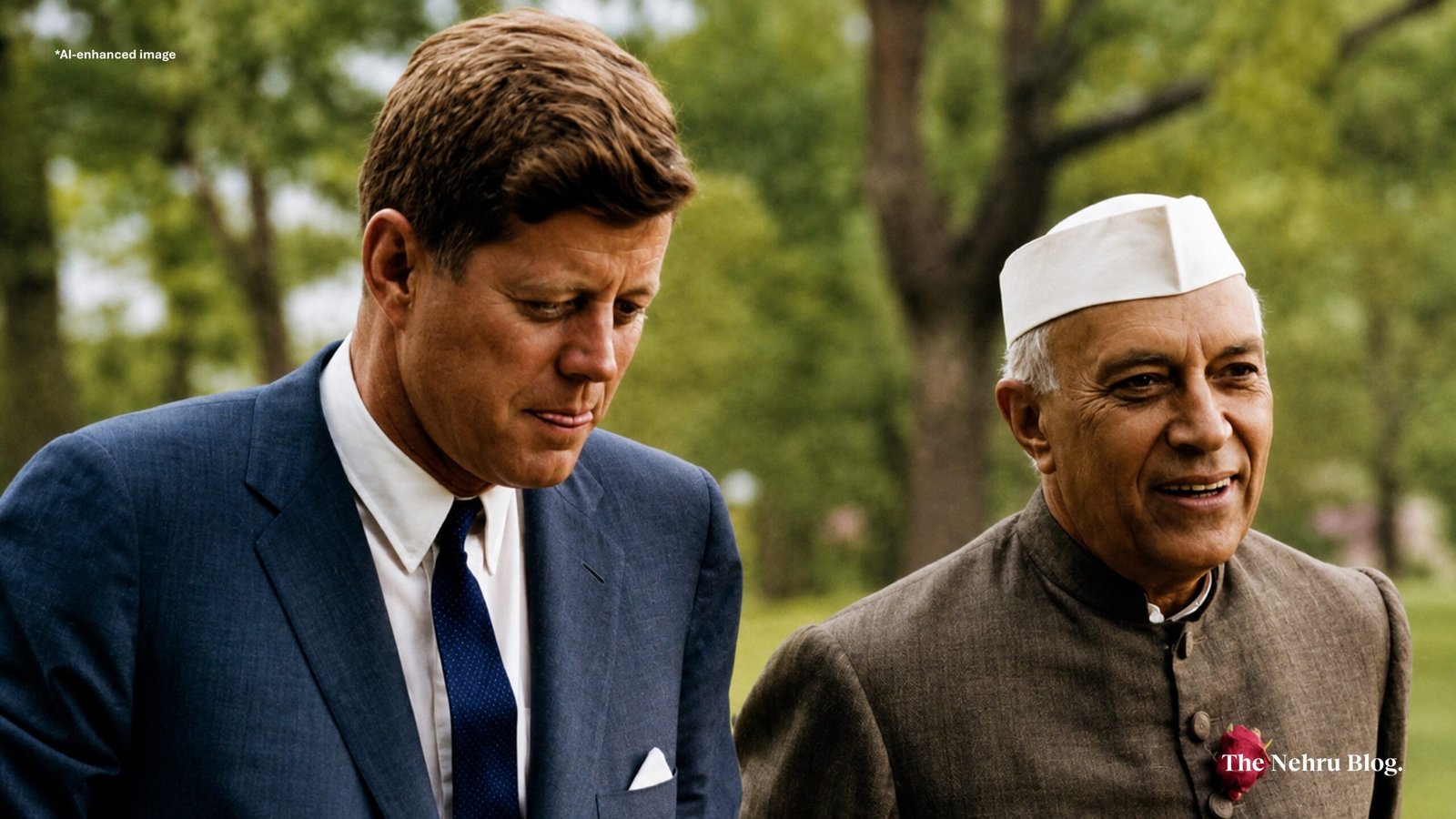
Nehru, a ‘Queer Mixture of East and West’, Led the Struggle for a Modern India
The New York Times, May 28, 1964 The story of Jawaharlal Nehru is the story of contemporary India, which he in large part has shaped. Mr. Nehru will be remembered also as the foremost exponent of the political doctrine of “nonalignment,” which influenced the foreign policy of India and many other nations emerging from colonialism. Mr.…
-
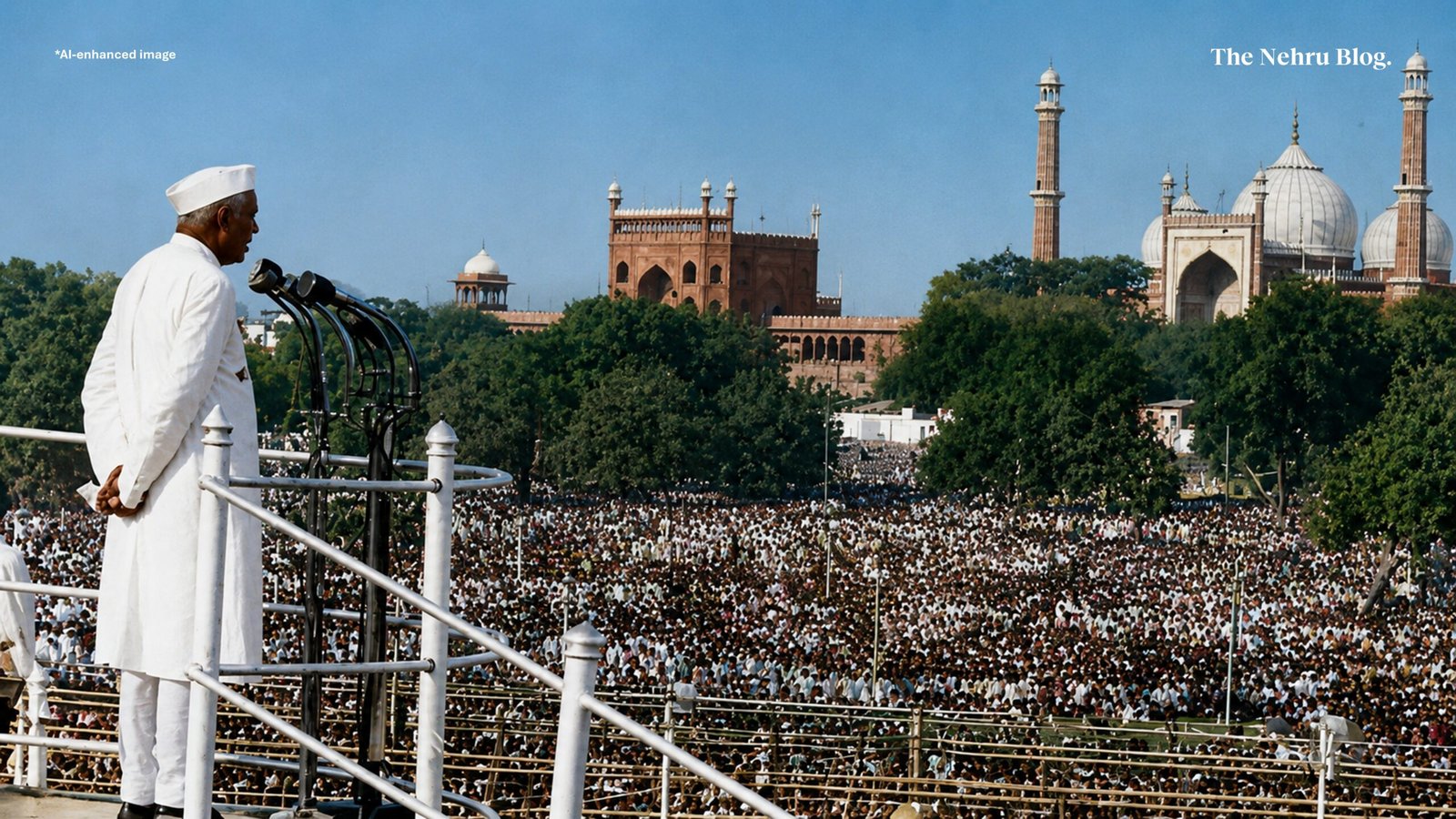
Nehru’s Speech: Science and Humility
Speech of Jawaharlal Nehru at the Science Congress, Calcutta, January 14, 1957 I am coming here today from Hirakud where I performed or helped in the opening ceremony of a very magnificent piece of work of Indian engineers, the great Hirakud Dam. This, I am told, is the longest in the world. A day before…
-
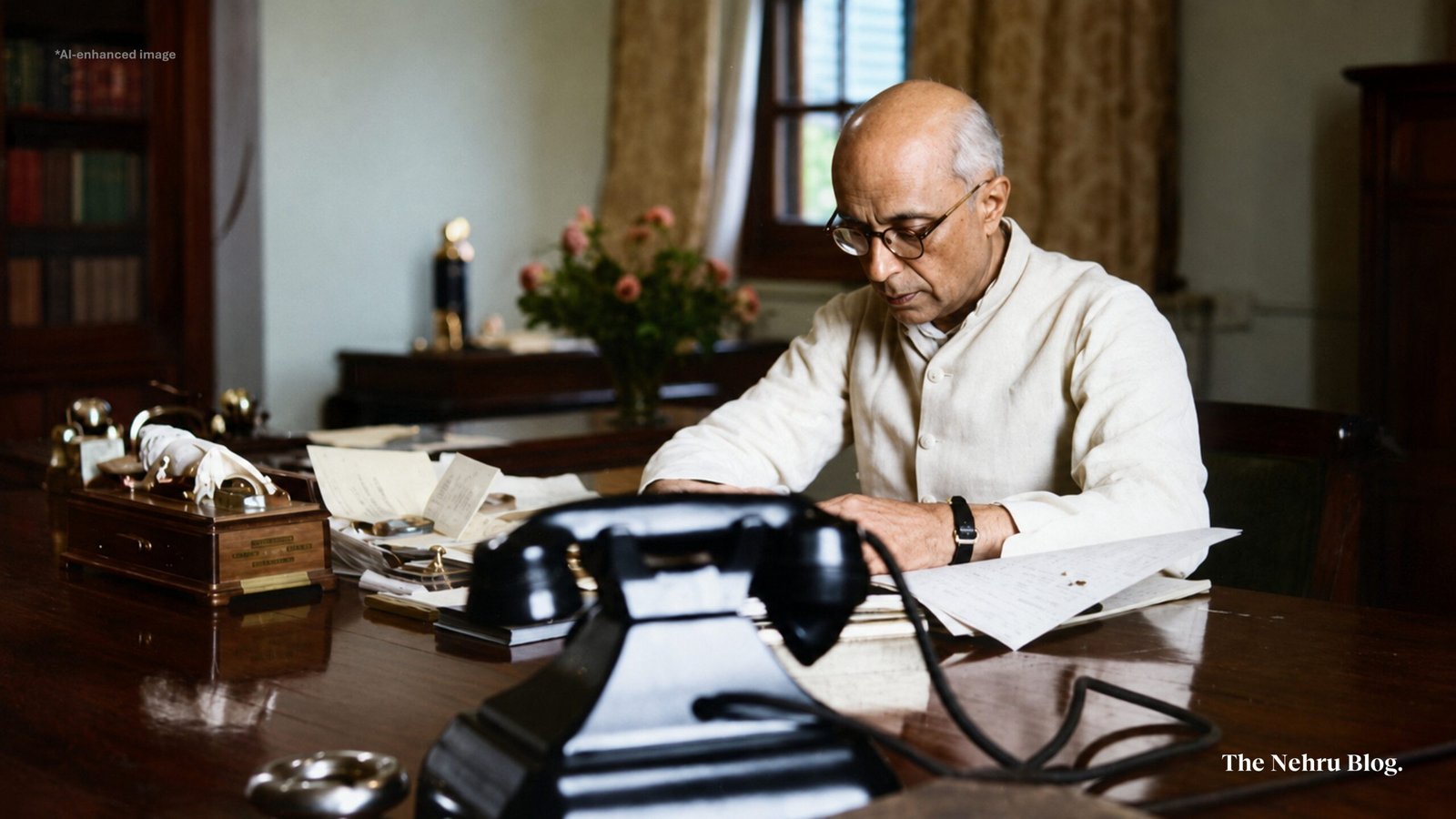
Aspects of Administration
Jawaharlal Nehru’s speech in Second Annual General Body Meeting of Indian Institute of Public Administration. (April 7, 1956) Friends, for the third time you have elected me as your President. For the tliird time I have come to this hall to preside over this function, and in between I have done nothing in regard to…
-
From the Red Fort: Nehru’s Independence Day Address, 1954
The Meaning of Freedom Brothers, sisters and friends, Greetings on the anniversary of Independence of new India. It has been seven years since this new India was bom, seven years since we became free. We celebrate this anniversary every year under the ramparts of Red Fort because on this day, for all of us, the…
-
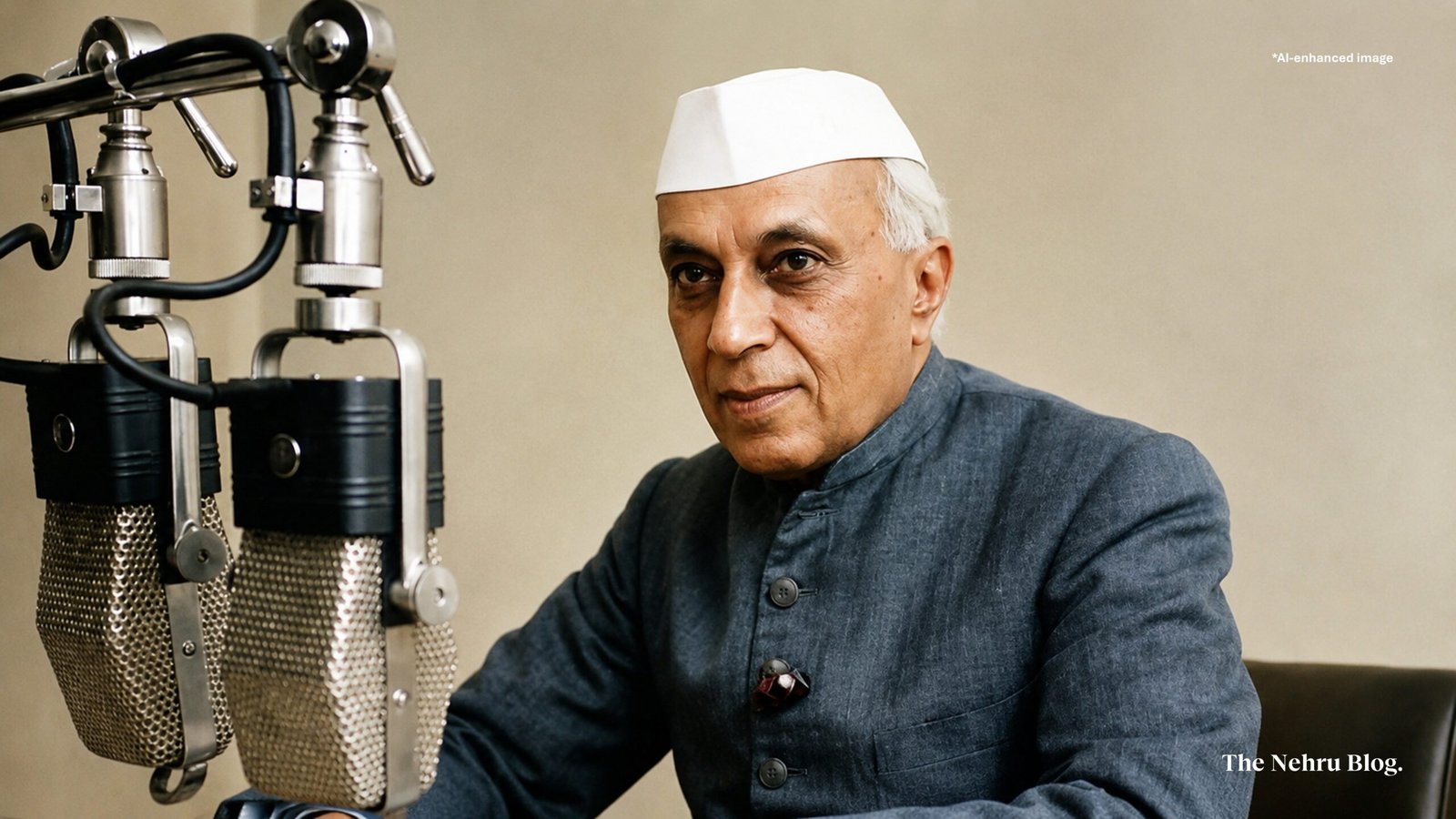
What is the meaning of Nationalism?
Below is the portion of a speech delivered by Jawaharlal Nehru at a public meeting in Bhopal on June 01, 1954. To Nehru, Nationalism was to unite the country and contribute in unison to its progress. History points out two things, the first, as I said, is our internal feuds, and the second, our overweening pride and feeling…
Follow Us
@TheNehruBlog
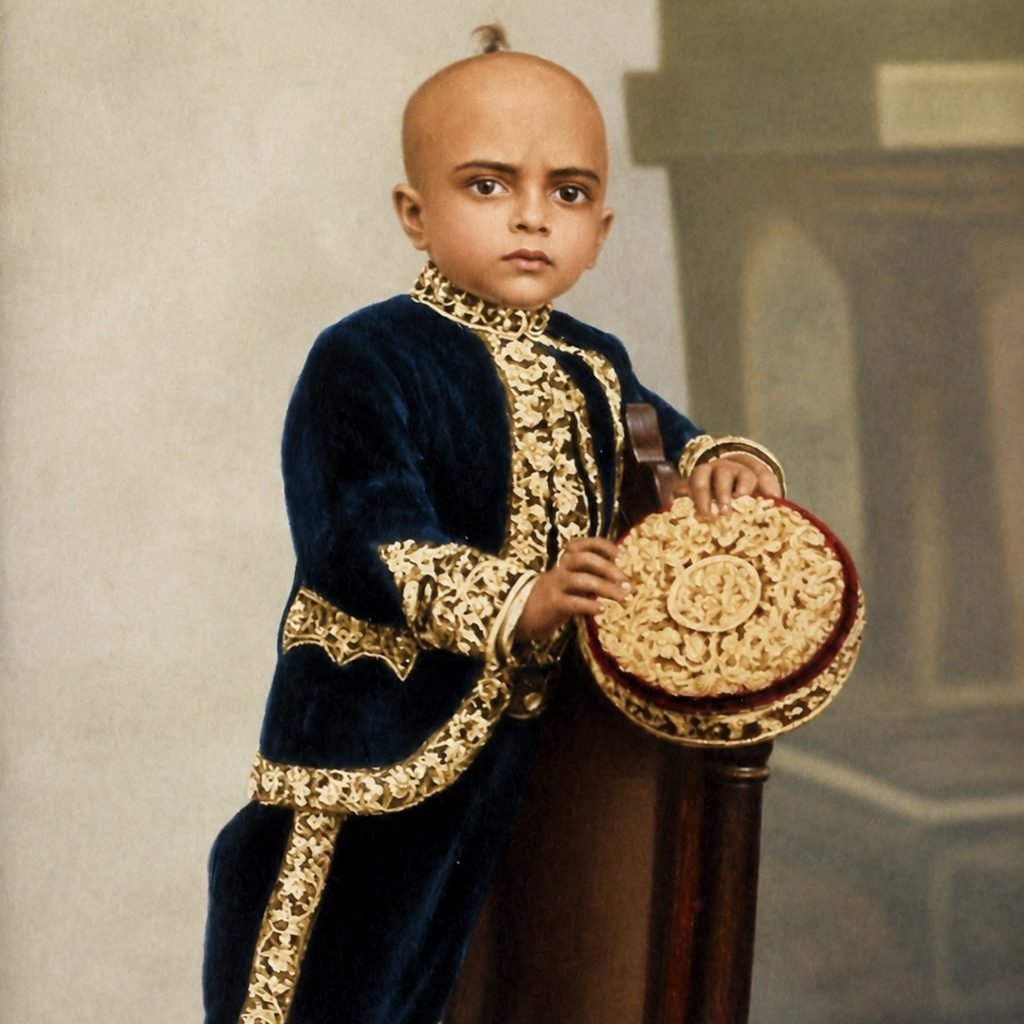
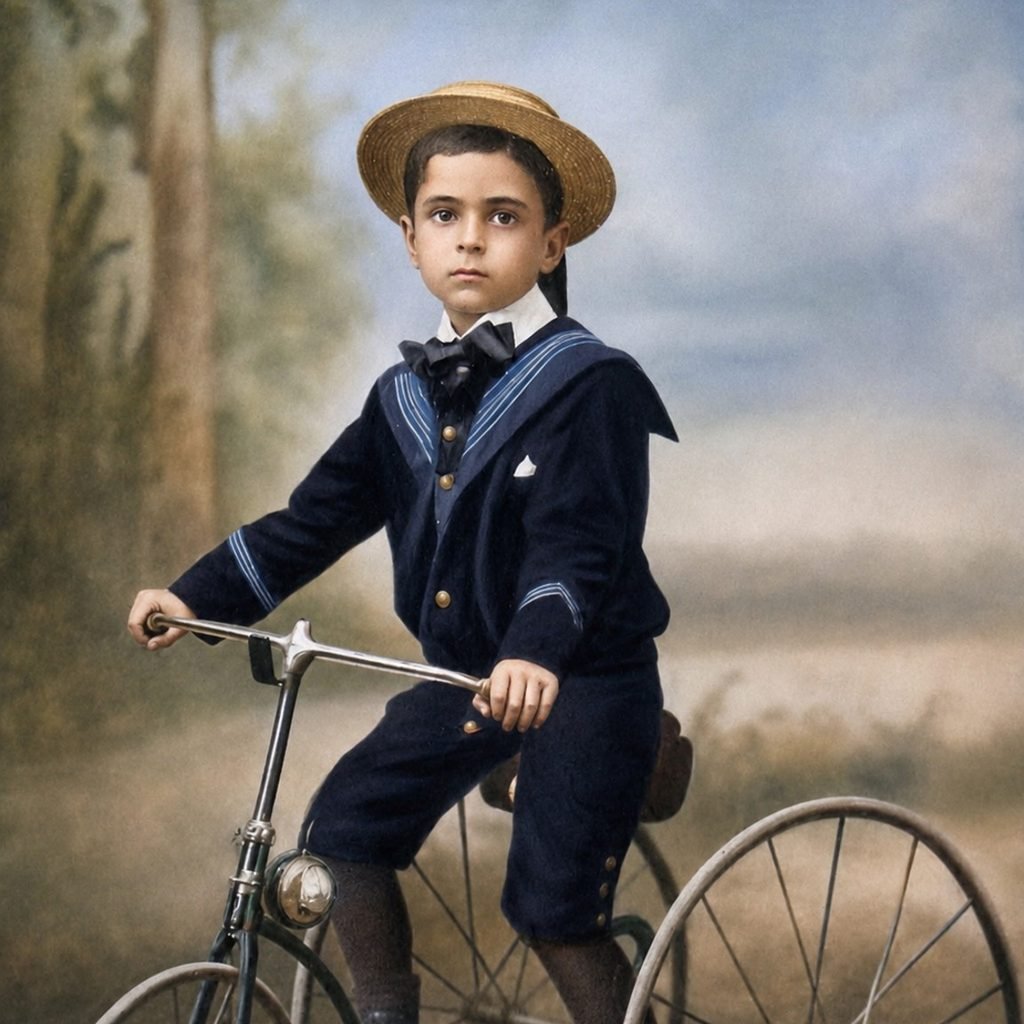
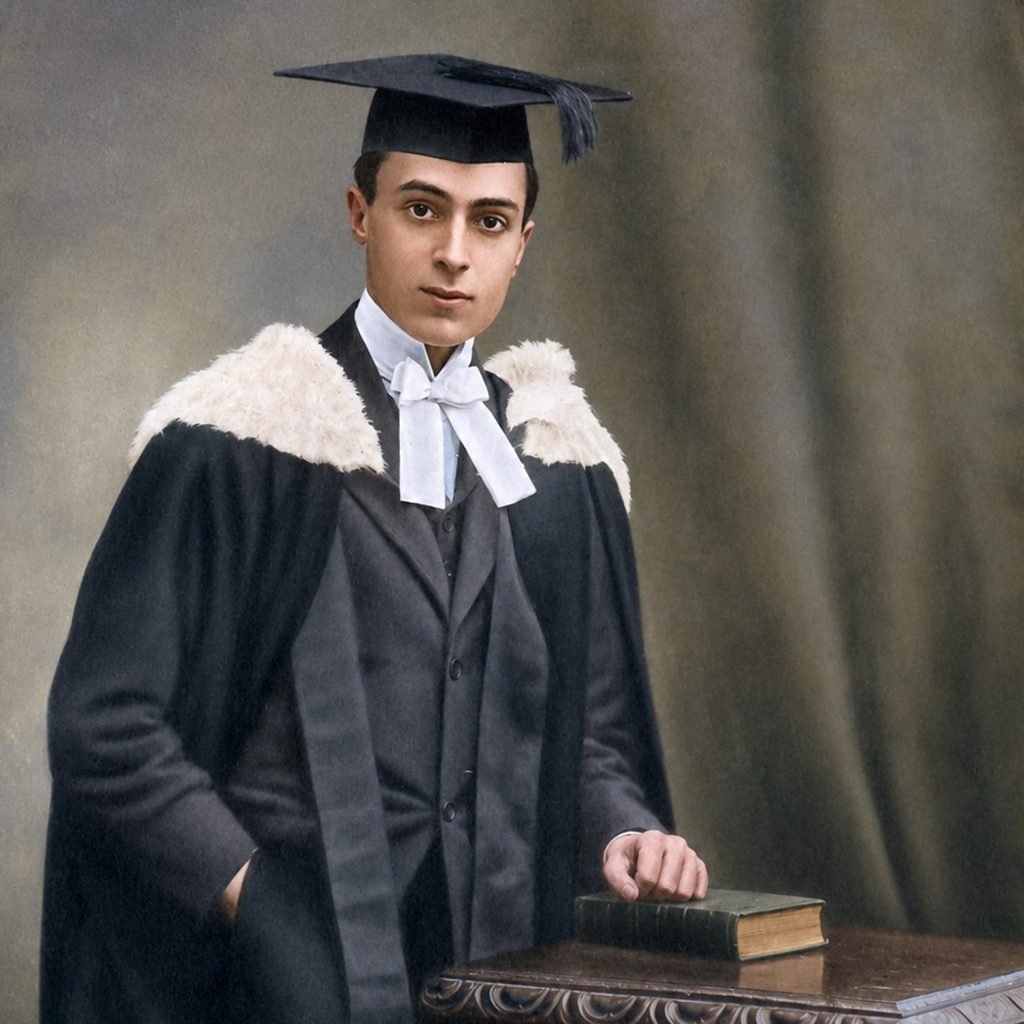
Jawaharlal will be my successor…
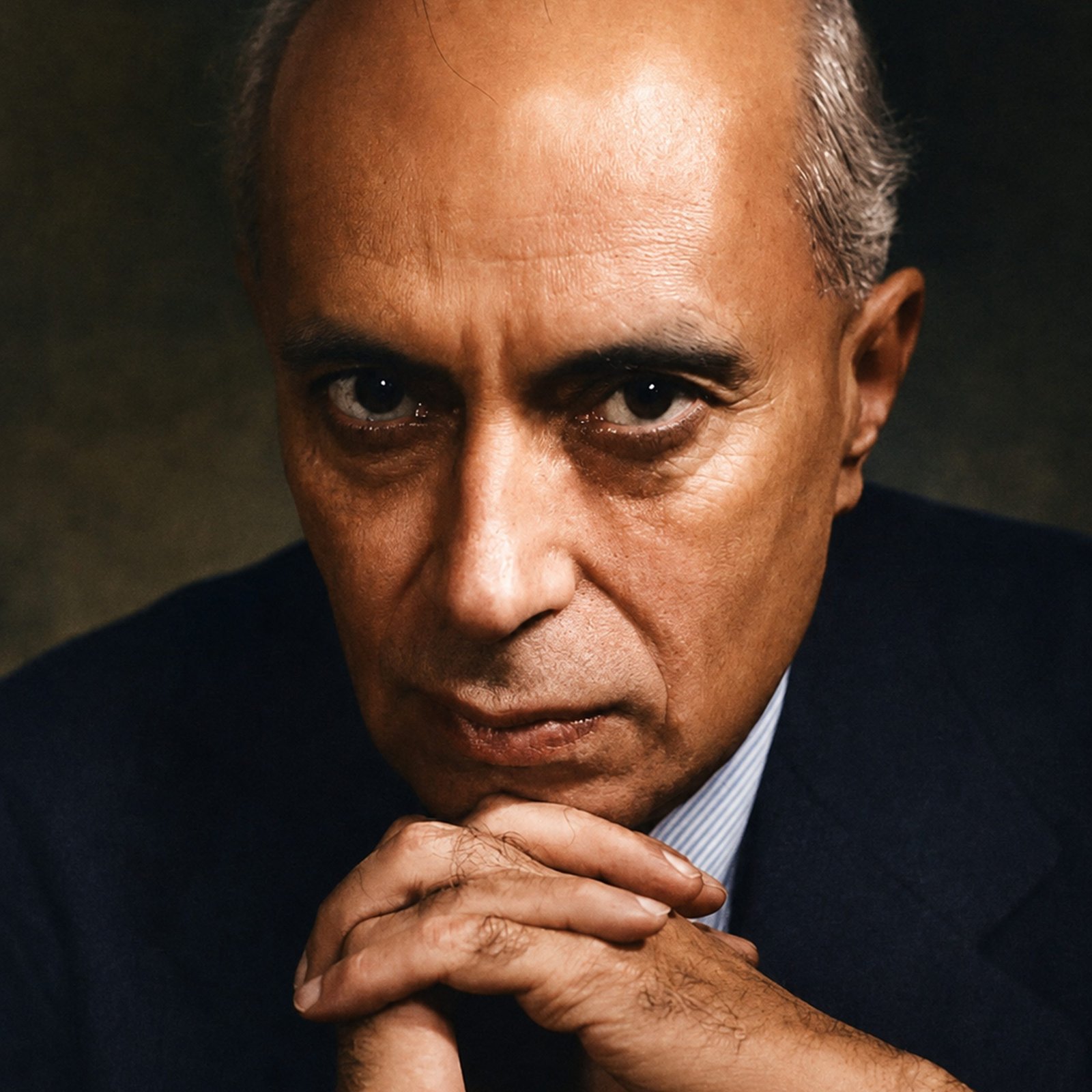
Do not please go away with the idea that there is a rift in the Congress. The working committee has worked like members of a happy family. Somebody suggested that Pandit Jawaharlal and I were estranged. It will require much more than the differences of opinion to estrange us.
We have had differences from the moment we became co-workers, and yet I have said for some years and say now that not Rajaji but Jawaharlal will be my successor.
He says he does not understand my language, and that he speaks a language foreign to me. This may or may not be true. But language is no bar to a union of hearts. And I know this that when I am gone, he will speak my language.
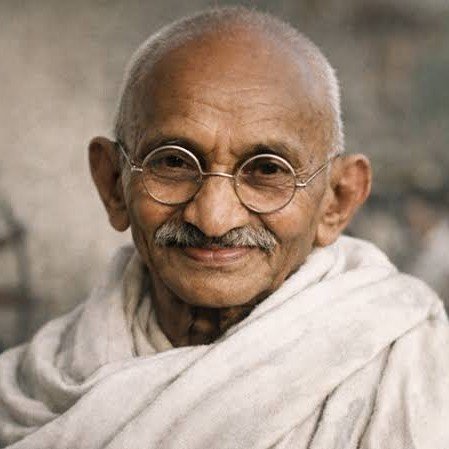
Mahatma Gandhi
AICC Meet, Wardha, 1942